
Why Gut Health Is More Important Than Ever
In recent years, gut health has become one of the most discussed topics in nutrition and preventive healthcare—and for good reason. Scientific research continues to demonstrate that a healthy digestive system influences far more than digestion alone. From immune function and nutrient absorption to metabolism, hormone balance, and even mental well-being, the gastrointestinal tract plays a central role in maintaining overall health.
At the heart of this system is the gut microbiome, a diverse community of trillions of bacteria, fungi, and other microorganisms that live primarily in the large intestine. Although these microbes are invisible to the naked eye, they perform essential tasks every day. They help digest certain foods, produce important vitamins, regulate inflammation, protect against harmful bacteria, and communicate with the immune and nervous systems.
Modern lifestyles, however, often work against a healthy microbiome. Highly processed foods, excessive sugar intake, chronic stress, poor sleep, sedentary behavior, frequent antibiotic use, and inadequate fiber consumption can all reduce microbial diversity. Over time, this imbalance may contribute to digestive discomfort and negatively affect many aspects of health.
Fortunately, supporting digestive wellness does not require extreme diets or expensive detox programs. The foundation of good gut health is surprisingly simple: eating a variety of nutrient-dense foods that nourish both the body and the beneficial bacteria living inside it.
This comprehensive guide explores the best foods for digestion and gut health, explains the science behind each recommendation, and shows how simple dietary changes can help improve digestive function while supporting long-term wellness.
Understanding the Gut Microbiome
Before discussing specific foods, it is important to understand why the gut microbiome matters.
The human digestive tract contains approximately 38 trillion microorganisms, forming one of the most complex ecosystems in the body. These microorganisms coexist with us in a mutually beneficial relationship. In exchange for nutrients and a place to live, beneficial bacteria perform numerous essential functions.
Among their most important roles are:
- Breaking down dietary fiber that humans cannot digest alone
- Producing short-chain fatty acids that nourish intestinal cells
- Synthesizing certain vitamins, including vitamin K and some B vitamins
- Supporting the body’s natural immune defenses
- Helping maintain the intestinal barrier
- Influencing communication between the gut and the brain
Researchers often describe the gut as the body’s “second brain” because of its close connection to the central nervous system through the gut-brain axis. Signals constantly travel between the digestive tract and the brain, influencing mood, stress responses, appetite, and cognitive function.
A healthy microbiome is characterized by diversity. The more varied the beneficial bacteria, the better the digestive system tends to adapt to different foods and environmental challenges.
How Diet Shapes Your Gut Health
Every meal influences your gut microbiome.
Unlike your genes, which remain largely unchanged throughout life, your gut bacteria respond quickly to dietary choices. Studies have shown that significant changes in microbial composition can occur within just a few days of altering eating habits.
Foods rich in dietary fiber, plant compounds, and natural nutrients encourage beneficial bacteria to thrive. Conversely, diets dominated by ultra-processed foods, refined sugars, and excessive saturated fats may reduce bacterial diversity and encourage less favorable microbial populations.
Rather than searching for a single “superfood,” experts recommend focusing on dietary patterns. A varied diet containing vegetables, fruits, legumes, whole grains, healthy fats, and fermented foods consistently produces better outcomes than relying on isolated ingredients.
The Best Foods for Digestion and Gut Health
1. High-Fiber Vegetables: The Cornerstone of Digestive Wellness
Vegetables are among the most valuable foods you can eat for digestive health.
They provide dietary fiber, antioxidants, vitamins, minerals, and phytochemicals that support both the digestive tract and the gut microbiome.
Fiber deserves particular attention because it serves two critical purposes. First, it adds bulk to stool, promoting regular bowel movements and reducing the risk of constipation. Second, many types of fiber act as food for beneficial gut bacteria.
As these bacteria ferment fiber, they produce short-chain fatty acids (SCFAs) such as butyrate, acetate, and propionate. These compounds help maintain the integrity of the intestinal lining and support normal immune function.
Some of the best vegetables for digestive health include:
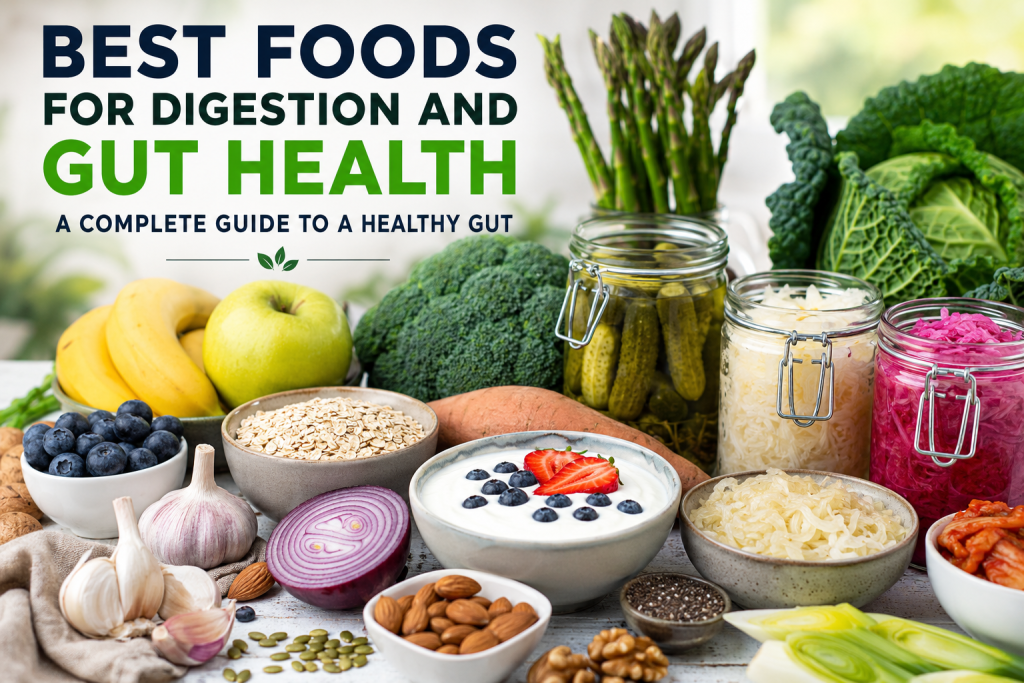
- Broccoli
- Brussels sprouts
- Spinach
- Kale
- Carrots
- Cabbage
- Cauliflower
- Bell peppers
- Asparagus
- Zucchini
Each vegetable offers a slightly different combination of fibers and plant compounds, making dietary variety particularly important.
Nutrition experts often recommend aiming for at least five servings of vegetables each day while including multiple colors throughout the week.
2. Fermented Foods: Naturally Rich in Beneficial Bacteria
Fermentation is one of humanity’s oldest methods of food preservation, but it also creates foods rich in live microorganisms.
These naturally occurring bacteria may help support microbial diversity when consumed regularly as part of a balanced diet.
Popular fermented foods include:
- Yogurt containing live cultures
- Kefir
- Sauerkraut
- Kimchi
- Miso
- Tempeh
- Traditional fermented vegetables
Unlike many processed foods, fermented products undergo natural bacterial fermentation that creates beneficial compounds and organic acids.
For example, kefir typically contains a wider variety of beneficial microorganisms than standard yogurt, while fermented vegetables provide both probiotics and dietary fiber.
When purchasing fermented foods, choose products that contain live active cultures and avoid varieties with excessive added sugars or artificial ingredients.
3. Prebiotic Foods: Feeding the Good Bacteria
Probiotics receive considerable attention, but prebiotics are equally important.
Prebiotics are specialized types of dietary fiber that beneficial bacteria use as their primary food source.
Without adequate prebiotics, even healthy probiotic bacteria struggle to thrive.
Excellent natural sources include:
- Garlic
- Onions
- Leeks
- Asparagus
- Chicory root
- Jerusalem artichokes
- Bananas (especially slightly green bananas)
- Oats
These foods contain compounds such as inulin and fructooligosaccharides (FOS), which selectively nourish beneficial bacteria.
Adding prebiotic foods gradually is advisable because sudden increases may temporarily cause gas or bloating while the microbiome adapts.
4. Fruits Rich in Fiber and Polyphenols
Fruit contributes much more than vitamins.
Many fruits contain polyphenols—natural plant compounds that beneficial gut bacteria convert into bioactive substances associated with numerous health benefits.
Some of the most gut-friendly fruits include:
Apples
Apples provide soluble fiber known as pectin, which helps support beneficial bacterial growth while promoting healthy bowel movements.
Berries
Blueberries, raspberries, blackberries, and strawberries are exceptionally rich in antioxidants and polyphenols.
These compounds may encourage greater microbial diversity while helping protect cells from oxidative stress.
Kiwi
Several studies suggest kiwi may help improve bowel regularity due to its combination of fiber and digestive enzymes.
Pears
Pears offer both soluble and insoluble fiber, making them excellent choices for digestive support.
Citrus Fruits
Oranges and grapefruits provide vitamin C alongside beneficial flavonoids that contribute to overall health.
Whenever possible, consume whole fruits instead of fruit juice, as whole fruits retain their natural fiber.
5. Whole Grains: Fuel for the Microbiome
Whole grains remain one of the richest dietary sources of complex carbohydrates and resistant starch.
Unlike refined grains, whole grains retain their bran and germ, preserving valuable fiber, vitamins, minerals, and phytochemicals.
Excellent options include:
- Oats
- Brown rice
- Quinoa
- Barley
- Buckwheat
- Whole wheat
- Millet
One particularly valuable component found in oats and barley is beta-glucan, a soluble fiber associated with both digestive and cardiovascular health.
Whole grains also promote more stable blood sugar levels compared with refined carbohydrates, helping sustain energy throughout the day.
If maintaining steady energy is one of your goals, you may also enjoy reading our guide 7 Habits That Increase Your Energy Throughout the Day, where nutrition and digestive health work together to improve daily performance.
6. Legumes: An Outstanding Source of Fiber and Plant Protein
Beans, lentils, chickpeas, and peas are nutritional powerhouses for digestive health.
Legumes combine several important characteristics:
- High fiber content
- Resistant starch
- Plant protein
- Essential minerals
- B vitamins
Regular consumption has been associated with improved microbial diversity and increased production of beneficial short-chain fatty acids.
Some excellent choices include:
- Lentils
- Black beans
- Kidney beans
- Pinto beans
- Chickpeas
- Split peas
People who are new to legumes should increase intake gradually while drinking sufficient water to minimize temporary digestive discomfort.
7. Healthy Fats Support More Than Heart Health
Healthy fats are often discussed in relation to cardiovascular health, but they also contribute to digestive wellness.
Certain fats assist in absorbing fat-soluble vitamins such as vitamins A, D, E, and K.
Excellent sources include:
- Extra virgin olive oil
- Avocados
- Walnuts
- Almonds
- Pistachios
- Chia seeds
- Flaxseeds
Many of these foods also contain anti-inflammatory compounds that support overall health.
Among healthy fats, omega-3 fatty acids deserve special attention because researchers continue exploring their relationship with inflammation and gut health.
Foods naturally rich in omega-3 include:
- Salmon
- Sardines
- Mackerel
- Trout
- Herring
If you’d like to learn more about marine omega-3 nutrition, our detailed Omega-3 Salmon Oil Plus Review: Heart, Brain and Joint Support explains how EPA and DHA contribute to overall wellness beyond digestive health.
8. Probiotic Foods vs. Probiotic Supplements
Many people associate gut health with probiotic supplements, but it’s important to understand the difference between probiotics obtained from food and those provided through supplementation.
Probiotics are live microorganisms that, when consumed in adequate amounts, may help support the balance of beneficial bacteria in the digestive tract.
Natural probiotic foods include:
- Yogurt with live active cultures
- Kefir
- Sauerkraut
- Kimchi
- Miso
- Tempeh
These foods not only provide beneficial bacteria but also contain vitamins, minerals, enzymes, and other naturally occurring compounds that contribute to overall nutrition.
Probiotic supplements may be useful in certain situations, such as after antibiotic use or under the guidance of a healthcare professional. However, for most healthy adults, regularly consuming a variety of fermented foods alongside a balanced diet is an excellent way to support microbial diversity.
Rather than relying on a single probiotic product, experts generally recommend combining probiotic foods with prebiotic-rich foods, creating what is often called a synbiotic approach. In simple terms, probiotics introduce beneficial bacteria, while prebiotics provide the nourishment these bacteria need to thrive.
9. Hydration: An Essential Part of Healthy Digestion
Food often receives most of the attention when discussing digestive health, yet hydration is equally important.
Water supports nearly every digestive process, including:
- Breaking down food
- Transporting nutrients
- Softening stool
- Maintaining intestinal motility
- Supporting digestive enzyme activity
Insufficient fluid intake may contribute to constipation, bloating, and slower digestion, particularly when dietary fiber intake is increased.
General hydration recommendations vary depending on age, climate, activity level, and overall health, but many adults benefit from drinking approximately 1.5 to 2.5 liters of water daily.
Simple ways to stay hydrated include:
- Start the morning with a glass of water.
- Drink water consistently throughout the day rather than all at once.
- Increase fluid intake during exercise or hot weather.
- Eat water-rich foods such as cucumbers, watermelon, oranges, and lettuce.
Proper hydration works hand in hand with a high-fiber diet to support healthy digestion.
Foods That May Negatively Affect Gut Health
Just as certain foods nourish the microbiome, others may negatively influence digestive balance when consumed excessively.
No single food needs to be permanently eliminated for most healthy individuals. Instead, moderation and dietary variety remain the key principles.
Foods that are often associated with poorer digestive health include:
Highly Processed Foods
Ultra-processed foods typically contain refined starches, unhealthy fats, additives, and low amounts of fiber. Frequent consumption may reduce microbial diversity over time.
Excess Added Sugar
Large amounts of added sugars may encourage the growth of less beneficial bacteria while reducing populations of helpful microorganisms.
Sugar-Sweetened Beverages
Soft drinks and heavily sweetened beverages provide calories without meaningful nutritional value and may negatively affect metabolic health.
Excessive Alcohol
While moderate alcohol intake may fit into some healthy lifestyles, excessive consumption can irritate the digestive tract and disrupt the balance of the gut microbiome.
Frequent Fast Food
Fast food meals often combine refined carbohydrates, saturated fats, sodium, and limited fiber, making them less supportive of long-term digestive wellness.
The goal is not perfection but consistency. Building meals around whole foods most of the time is far more beneficial than following restrictive diets that are difficult to maintain.
Lifestyle Habits That Improve Digestion Naturally
Food is only one part of digestive health. Daily lifestyle habits also play a major role in supporting a healthy gastrointestinal system.
Exercise stimulates normal intestinal movement and supports healthy metabolism.
Even moderate activity such as brisk walking, cycling, swimming, or yoga may contribute to improved digestive function.
Many experts recommend at least 150 minutes of moderate physical activity per week for overall health.
If you’re interested in supporting both digestion and calorie utilization, our article How to Improve Metabolism Naturally explains how movement and nutrition work together to optimize metabolic health.
Sleep influences virtually every system in the body, including digestion.
Poor sleep has been linked to changes in the gut microbiome, increased appetite, and altered hormone regulation.
Healthy sleep habits include:
- Maintaining a consistent bedtime
- Reducing screen exposure before sleep
- Creating a cool, dark sleeping environment
- Limiting caffeine later in the day
For more practical strategies, see our guide 7 Habits That Increase Your Energy Throughout the Day, where quality sleep is discussed as one of the foundations of sustained energy and overall wellness.
Managing Stress
The digestive system and brain communicate continuously through what scientists call the gut-brain axis.
This connection explains why emotional stress often affects digestion.
During periods of chronic stress, people may experience:
- Bloating
- Changes in bowel habits
- Reduced appetite
- Increased appetite
- Abdominal discomfort
Helpful stress-management techniques include:
- Deep breathing exercises
- Meditation
- Spending time outdoors
- Yoga
- Mindfulness practices
- Regular exercise
Managing stress benefits not only mental well-being but digestive health as well.
The Gut-Brain Connection: Why Digestion Affects More Than the Stomach
Researchers continue to discover fascinating links between the digestive system and the brain.
The gut produces signaling molecules that communicate with the nervous system, while beneficial bacteria generate compounds involved in immune regulation and nervous system function.
Although research is ongoing, maintaining a healthy gut microbiome is increasingly viewed as an important component of overall health—not just digestive comfort.
This reinforces the importance of adopting long-term dietary habits rather than seeking quick fixes.
Can Nutritional Supplements Support Digestive Health?
Whole foods should always remain the foundation of a healthy diet.
However, even individuals with balanced eating habits may have nutritional gaps due to modern lifestyles, food processing, soil depletion, or increased physiological needs.
This is where high-quality nutritional supplements may complement an already healthy lifestyle.
NeoLife develops science-based nutritional products that focus on cellular nutrition, providing nutrients that work alongside a balanced diet rather than replacing it.
Some products that may fit into a comprehensive wellness routine include:
A whole-food multivitamin designed to provide a broad spectrum of vitamins, minerals, and phytonutrients that support everyday nutrition.
Read our complete Formula IV Review: A Whole Food Multivitamin Explained to learn more.
Healthy digestion ultimately supports healthy cells by improving nutrient absorption.
Our article What Is Tre-en-en and How Does It Support Cellular Health? explains why cellular nutrition is considered one of the foundations of long-term wellness.
Many antioxidant nutrients are absorbed through the digestive tract.
Discover how plant carotenoids contribute to eye health, immune function, and antioxidant protection in our article Carotenoid Complex Benefits for Eye Health and Immunity.
Healthy dietary fats complement a balanced digestive-supportive diet.
Learn more in Omega-3 Salmon Oil Plus Review: Heart, Brain and Joint Support, where we explore the role of EPA and DHA in supporting multiple body systems.
For individuals looking for comprehensive daily nutritional support, Pro Vitality Plus Review: Benefits, Ingredients, and Complete Guide explains how multiple science-based nutrients work together to support cellular health and overall vitality.
Efficient digestion supports the absorption of minerals such as calcium and magnesium.
Our Kal-Mag Plus D Review explains how these nutrients contribute to bone health, muscle function, and overall wellness.
Full Motion Good nutrition supports the entire body, including connective tissues and joints.
Our Full Motion Joint Support Review discusses how glucosamine, botanical extracts, and minerals work together to support long-term joint health.
Common Mistakes That Can Harm Digestion
Many digestive problems are influenced by everyday habits that people rarely notice.
Some of the most common mistakes include:
- Eating too quickly without chewing food properly
- Skipping meals regularly
- Consuming too little dietary fiber
- Drinking insufficient water
- Relying heavily on processed convenience foods
- Sitting for long periods without movement
- Chronic sleep deprivation
- High levels of unmanaged stress
- Excessive alcohol consumption
- Overusing antibiotics without medical necessity
Correcting just a few of these habits often leads to noticeable improvements in digestive comfort within weeks.
Building a Gut-Friendly Plate
Rather than searching for a miracle food, think about creating balanced meals.
A gut-friendly plate might include:
- Colorful vegetables
- Whole grains
- Lean protein
- Healthy fats
- Fermented foods
- Fresh fruit
- Plenty of water
Eating a wide variety of plant foods throughout the week encourages greater microbial diversity, one of the strongest indicators of a healthy gut microbiome.
Remember that consistency matters far more than perfection.
Frequently Asked Questions (FAQ)
What are the best foods for digestion and gut health?
Some of the best foods include leafy vegetables, whole grains, legumes, yogurt, kefir, fermented vegetables, berries, bananas, oats, garlic, onions, and healthy fats such as olive oil and avocado.
How long does it take to improve gut health?
Some dietary changes may influence the gut microbiome within a few days, but meaningful long-term improvements typically require several weeks or months of consistent healthy eating and lifestyle habits.
Are probiotics better than fermented foods?
For most healthy adults, fermented foods provide probiotics alongside valuable nutrients and fiber. Probiotic supplements may be useful in specific situations, but whole foods should remain the primary focus whenever possible.
Is fiber important for digestive health?
Yes. Fiber supports healthy bowel movements, nourishes beneficial bacteria, and contributes to the production of short-chain fatty acids that help maintain intestinal health.
Can supplements replace healthy foods?
No. Supplements are intended to complement a healthy diet, not replace it. The strongest foundation for digestive health remains a varied diet rich in vegetables, fruits, legumes, whole grains, and other minimally processed foods.
Final Thoughts
Supporting digestive health is not about following restrictive diets or chasing the latest nutrition trends. Instead, it is about building sustainable habits that nourish both your body and the trillions of beneficial microorganisms living inside your digestive system.
A diet rich in vegetables, fruits, legumes, whole grains, fermented foods, healthy fats, and adequate water provides the essential nutrients needed to maintain a healthy gut microbiome. Combined with regular physical activity, quality sleep, effective stress management, and smart lifestyle choices, these habits create a strong foundation for long-term wellness.
For individuals looking to optimize their nutrition even further, science-based supplements may help fill dietary gaps as part of a comprehensive health strategy. However, they should always support—not replace—a balanced diet centered on whole foods.
If you enjoyed this guide, you may also find these articles helpful:
- What Is Tre-en-en and How Does It Support Cellular Health?
- Carotenoid Complex Benefits for Eye Health and Immunity
- Omega-3 Salmon Oil Plus Review: Heart, Brain and Joint Support
- Formula IV Review: A Whole Food Multivitamin Explained
- How to Improve Metabolism Naturally
- 7 Habits That Increase Your Energy Throughout the Day
- Pro Vitality Plus Review: Benefits, Ingredients, and Complete Guide
- Full Motion Joint Support Review
- Kal-Mag Plus D Review
Together, these resources provide a practical roadmap for improving nutrition, supporting digestion, maintaining energy, and building long-term health through informed daily choices.